Introduction to Exotic Birds and Parrots
Exotic birds, particularly parrots, have garnered significant attention and admiration from avian enthusiasts and casual observers alike. These captivating creatures are renowned for their vivid colors, remarkable intelligence, and enchanting vocal abilities, making them a popular choice among pet owners. The allure of parrots lies not only in their aesthetic appeal but also in their engaging and interactive nature, which creates a unique bond between these birds and their human companions.
Parrots belong to the family Psittacidae and are characterized by their strong, curved beaks, which are well adapted for cracking nuts and seeds. Their feet, which are zygodactyl, enable them to grasp and manipulate objects with remarkable dexterity. This physical prowess, combined with their bright plumage ranging from greens and yellows to blues and reds, contributes to their status as some of the most visually stunning birds in the world.
The diversity among parrot species is staggering, with over 393 recognized species found primarily in tropical and subtropical regions. From the large and striking Macaw to the smaller and equally charming Lovebird, each species possesses unique traits and characteristics that appeal to different types of bird lovers. However, despite their differences, all parrots share a common trait: a need for social interaction and mental stimulation, which is paramount to their well-being.
As we delve deeper into the world of exotic birds, particularly parrots, it becomes essential to understand their care requirements, behavioral tendencies, and conservation status. An appreciation for these species not only enriches one’s experience as a pet owner but also highlights the importance of protecting their natural habitats, ensuring that future generations can continue to admire these spectacular avian treasures.
The Most Popular Parrot Species
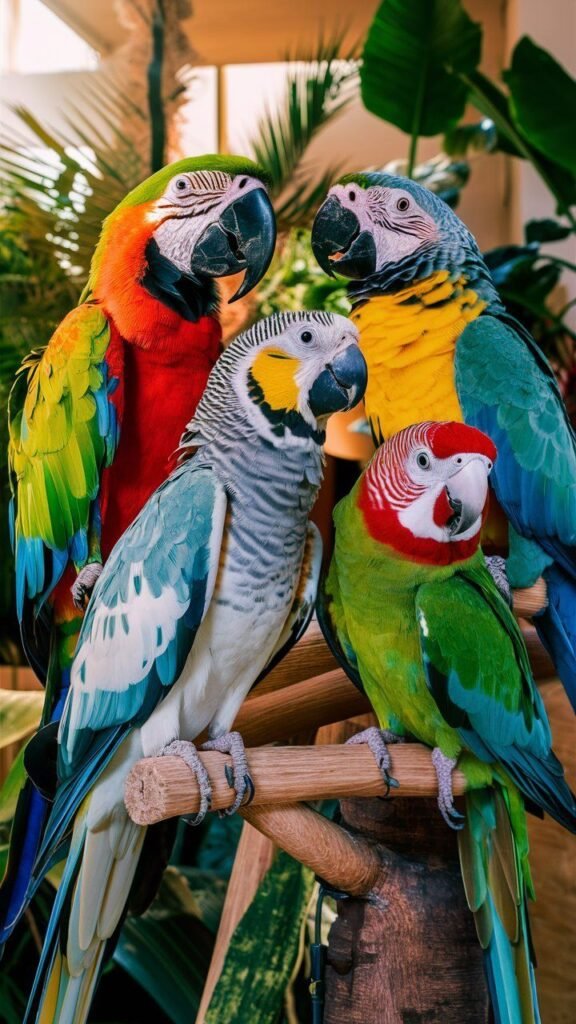
Parrots are renowned for their vibrant plumage, intelligence, and social nature, making them some of the most beloved pets in the avian world. Among the numerous parrot species, several stand out due to their popularity among bird enthusiasts and prospective pet owners.
One of the most notable species is the African Grey Parrot. Known for their remarkable cognitive abilities and advanced vocal skills, these parrots can mimic human speech with great accuracy. With a calm temperament, they bond strongly with their owners and thrive in interactive environments where they can engage with their human companions.
Macaws are another popular choice, captivating with their striking colors and large size. There are several types of macaws, including the Blue-and-yellow Macaw and the Scarlet Macaw. These birds are social and require ample space to fly and play, making them well-suited for families who can devote time to their care and enrichment.
Cockatoos, particularly known for their affectionate nature, are equally sought after. They display a wide range of emotions and can form strong attachments to their owners. However, it is essential to note that cockatoos often require more attention than other species, as they can develop separation anxiety if left alone for extended periods.
Finally, the Budgerigar, or budgie, is one of the most common pet birds globally due to its small size and friendly personality. Budgerigars are easy to care for and can be vocal and playful. They are excellent companions, suitable for a variety of living arrangements.
Understanding the characteristics, temperaments, and social needs of these parrot species is crucial for prospective owners. Each bird has unique requirements and personalities, shaping the experience of life with a parrot. By choosing the right species that fits one’s lifestyle, potential owners can ensure a rewarding companionship with these extraordinary birds.
Daily Care and Maintenance of Parrots
Caring for a parrot involves understanding its unique needs for a fulfilling and healthy life. A well-balanced diet is crucial for maintaining the health of these vibrant birds. Parrots thrive on a variety of foods, including high-quality pellets, fresh fruits, and vegetables. It is recommended to avoid processed foods and foods that are toxic to birds, like avocado and chocolate. Regularly providing fresh water is equally important to ensure hydration and overall health.
Creating a suitable habitat is another essential aspect of parrot care. The cage should be spacious enough for the bird to move around freely and come equipped with branches for climbing, perches for resting, and hiding spots for security. The enclosure should be placed in an area with a stable temperature, away from direct sunlight and drafts, to prevent stress or illness. Additionally, it is important to clean the cage regularly to prevent the build-up of waste and bacteria.
Socialization and mental stimulation play critical roles in a parrot’s well-being. Parrots are highly social animals; they thrive on interaction with their owners and the environment. Spending quality time with your parrot daily helps foster a strong bond. Engaging them in playtime with a variety of toys is essential for keeping them mentally stimulated. Toys should promote chewing, foraging, and problem-solving, which satisfy their natural instincts and prevent boredom.
Overall, maintaining a parrot’s health and happiness requires attention to their dietary needs, habitat, socialization, and mental stimulation. With the right care and maintenance, parrots can be delightful companions that enrich our lives with their charm and intelligence.
Conservation and Protection of Exotic Birds
The conservation of exotic birds, particularly parrots, has become increasingly critical due to the alarming decline in their populations. Many parrot species are now facing threats that jeopardize their survival in the wild. Habitat loss, driven by deforestation, urban development, and agriculture, poses one of the most significant risks to these remarkable birds. As natural habitats are destroyed, parrots find it increasingly difficult to locate food, refuge, and breeding sites.
Moreover, the illegal pet trade exacerbates the plight of many parrot species. Wild populations are often targeted for capture to be sold on the black market, depriving ecosystems of their ecological roles. This unfortunate reality not only affects the numbers but also disrupts genetic diversity, making species more vulnerable to extinction.
To combat these challenges, numerous conservation organizations have been established, focusing on the protection and preservation of these avian wonders. Initiatives such as habitat restoration, breeding programs, and awareness campaigns play a vital role in ensuring the future of exotic birds. Support from the public through donations or volunteer work with organizations dedicated to avian conservation can substantially impact these efforts.
The concept of ethical pet ownership also becomes essential when considering the conservation of parrots. Prospective bird owners are encouraged to educate themselves about the complexities of parrot care and to consider adopting from shelters or rescue organizations rather than purchasing them from commercial breeders associated with poor practices. By choosing to support ethical practices and conservation efforts, individuals can contribute positively to the health of wild parrot populations.
In conclusion, protecting the unique biodiversity of exotic birds requires collective action. Understanding the threats they face and supporting relevant organizations are crucial steps toward ensuring that future generations can appreciate and coexist with parrots and other exotic species.