- HOME
-
- BIRDS
- FERTILE PARROT EGGS
- INCUBATORS
- PARROT CAGESDurable and Spacious Design for Your Parrot’s Comfort Give your parrot the home it deserves with our premium parrot cages, specifically designed for safety, style, and comfort. Our cages prioritize your parrot’s well-being by offering spacious interiors, ensuring they have ample room to spread their wings and move freely. The durable construction guarantees long-lasting use, making them ideal for households with playful and active birds. Available in a variety of sizes and styles, these cages accommodate single birds or multiple parrots while complementing your home décor effortlessly. Designed with easy-access doors and secure locking mechanisms, you can ensure your parrot remains safe at all times. Thoughtfully Designed Features for Parrot Happiness Our parrot cages come equipped with innovative features to keep your feathered companions happy and healthy. Each cage includes easy-to-clean trays, minimizing maintenance hassle while ensuring hygiene for your bird. Multiple perches and feeder compartments provide plenty of options for your parrot’s diet and activity needs. Additionally, sturdy materials such as stainless steel or powder-coated metal ensure the cages resist wear and tear, prolonging usability without compromising safety and quality. These features are designed to cater to daily lifestyle demands, letting you focus solely on enjoying time with your…
-
- AFRICAN GREY PARROTS FOR SALEMeet the Majestic African Grey Parrots Renowned as one of the most intelligent bird species, African Grey Parrots are not only strikingly beautiful but also remarkably smart and attuned to human interactions. These well-loved parrots boast a silvery-grey plumage accentuated by subtle streaks and vibrant red tail feathers, making them a visual delight. Whether you’re seeking a lively companion or a pet that can mimic sounds, words, and even entire conversations, African Grey Parrots are the perfect choice for bird enthusiasts of all experience levels. The Perfect Companion for Your Home African Grey Parrots are celebrated for their affectionate and sociable nature, making them ideal companions for families, individuals, or even experienced bird collectors. Beyond their beauty, they excel at bonding with owners, often forming strong emotional connections. Their ability to mimic and memorize words and phrases is unmatched, providing hours of entertainment and joyful interactions. With proper care and training, these parrots become loyal and engaging members of your household. Caring for African Grey Parrots Bringing home an African Grey Parrot requires commitment and care to maintain their physical and mental well-being. They thrive in environments where they are provided with stimulation, whether through social interactions, toys, or enriching…
- BABY PARROTS
- MACAW PARROTS
- COCKATOO PARROTS
- PARAKEET PARROTS
- AFRICAN GREY PARROTS FOR SALE
- CONTACT
- BLOG
How to Feed Your Parrot: A Complete Guide
Feeding your parrot a balanced and nutritious diet is essential to ensure its health and well-being. Different species of parrots have varying dietary requirements, so it’s crucial to research the specific needs of your parrot’s species. However, here’s a general guideline on what to feed your parrot:
Fresh Water
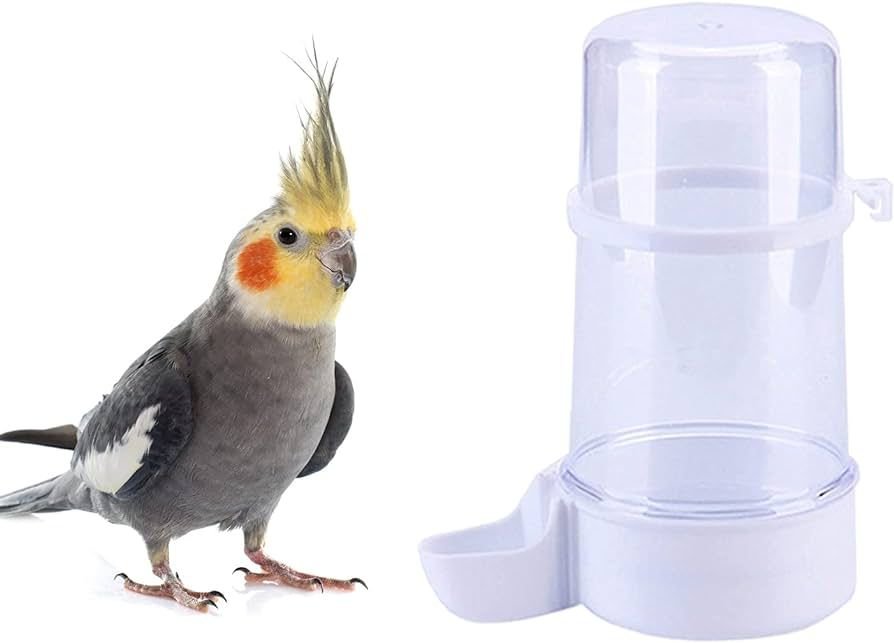
Provide clean, fresh water in a shallow bowl. Change the water daily to prevent contamination.
Pellets
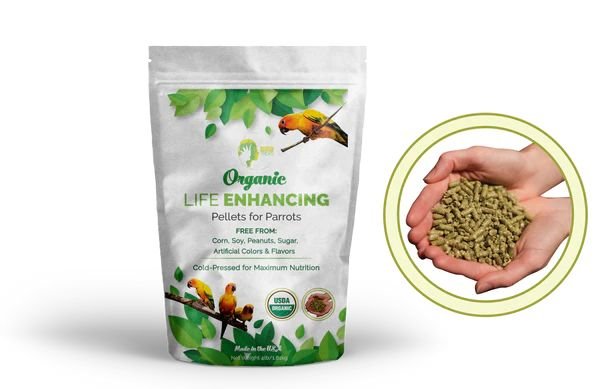
High-quality commercial pellets designed for parrots are a good base for their diet. They contain essential nutrients and vitamins. Look for pellets without artificial colors and preservatives. The pellets should make up about 60-70% of their diet.
Fresh Fruit
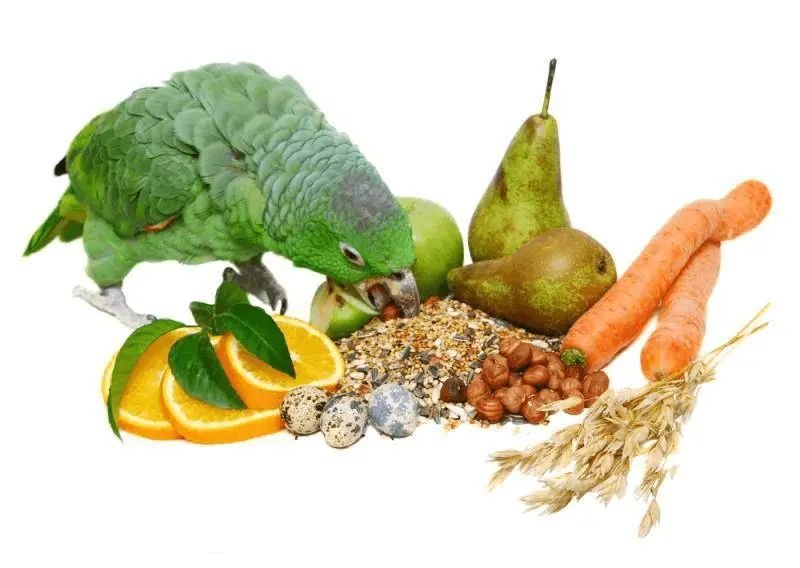
Offer a variety of fresh fruits like apples, bananas, grapes, oranges, and berries. These provide vitamins, minerals, and antioxidants. Remove seeds from fruits like apples and grapes as they can be toxic.
Fresh Vegetables
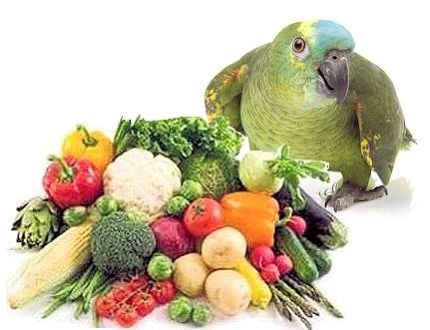
Include a mix of fresh vegetables such as carrots, broccoli, spinach, kale, and bell peppers. These are rich in vitamins, fiber, and minerals. Ensure they are o shed
*oughly and, if necessary, chopped into man
pieces.
Sprouted Seeds
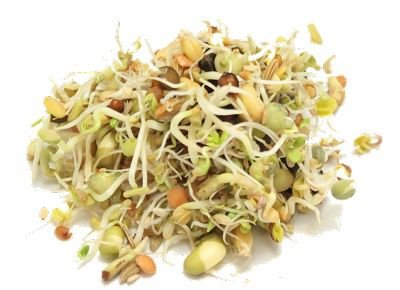
Sprouted seeds are highly nutritious and easier to digest than dry seeds. You can sprout seeds like sunflower, millet, and quinoa at home or buy them from a pet store.
Nuts
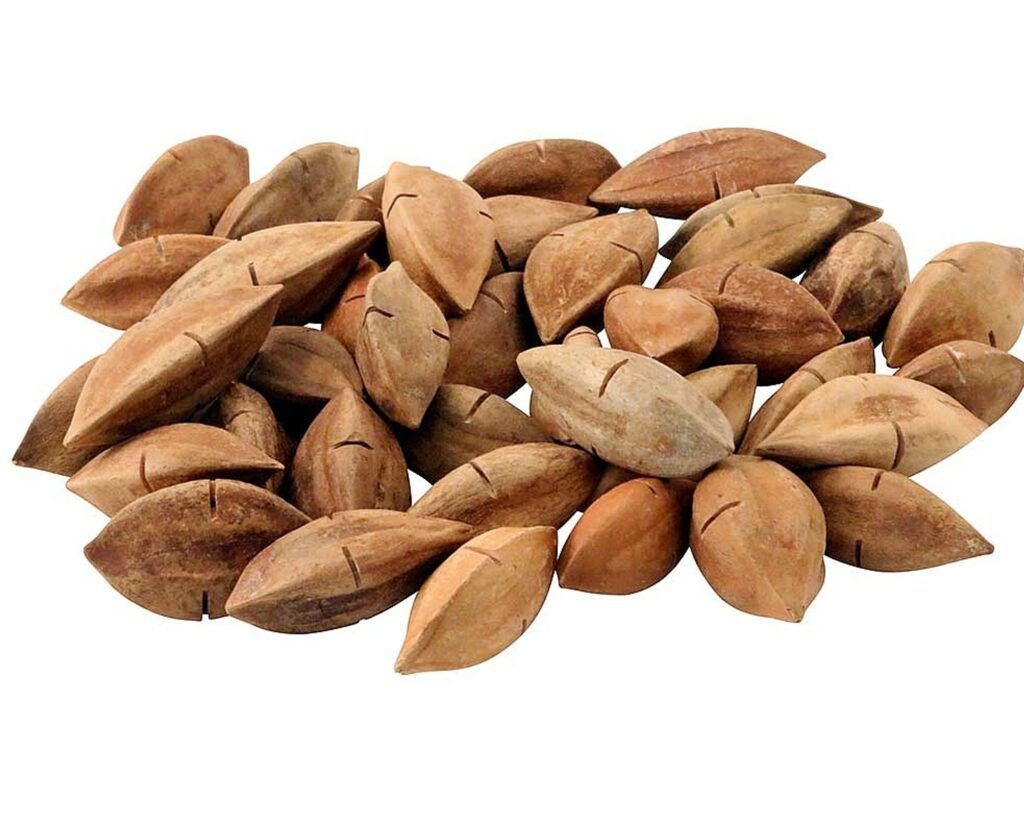
Offer nuts like almonds, walnuts, and Brazil nuts in moderation. They are high in fat, so only provide small amounts as occasional treats.
Herbs and Greens
Fresh herbs like parsley, cilantro, and dill can be a nice addition to their diet. Some parrots also enjoy leafy
greens.
Protein
Provide sources of protein like cooked chicken or lean meats, eggs, and low-fat dairy products like yogurt and cheese in small amounts. Avoid giving them processed or fatty meats.
Grains and Legumes
Parrots can eat cooked grains like rice and pasta, as well as cooked legumes like lentils and beans. Make sure they are plain and not seasoned with salt or spices.
Mineral Blocks and Cuttlebone
Parrots need calcium for strong bones. Mineral blocks and cuttlebones provide a source of calcium and help keep their beaks healthy.
Supplements
In most cases, a balanced diet should provide all the necessary nutrients. However, consult with an avian veterinarian before adding any supplements to your parrot’s diet. Excessive supplementation can be harmful.
Avoid Toxic Foods
Some foods are toxic to parrots and should never be offered. These include chocolate, caffeine, alcohol, avocado, rhubarb, and anything with high salt content.
Variety
Offer a wide variety of foods to ensure your parrot receives a diverse range of nutrients. This also helps prevent boredom.
Portion Control
Monitor your parrot’s food intake to prevent overeating and obesity. Adjust portion sizes based on its activity level and age.
Cleanliness
Ensure food and water dishes are kept clean to prevent bacterial growth and contamination.
Remember that individual parrots may have different preferences, so it’s essential to observe your bird’s eating habits and adjust its diet accordingly. Consult with an avian veterinarian for specific dietary recommendations tailored to your parrot’s needs, and always prioritize
health and well-being.